Science SARU's Ghost in the Shell Adaptation Concludes with Episode 10
Science SARU's 10-episode Ghost in the Shell series wraps up this week, delivering a faithful adaptation of Masamune Shirow's first volume with a standout soundtrack featuring King Gnu, Millennium Parade, and three composers working in tandem.
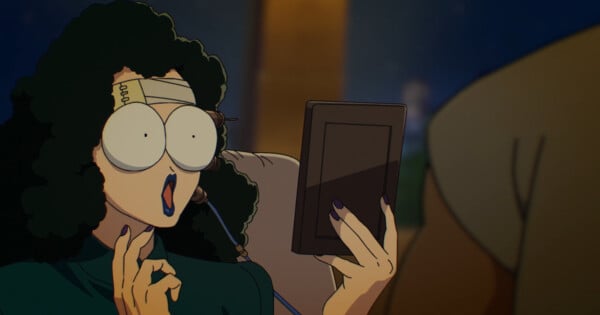
Science SARU's Ghost in the Shell adaptation comes to an end with episode 10, completing an ambitious condensation of Masamune Shirow's foundational cyberpunk manga into 10 episodes. The studio manages to preserve the source material's core while working within tight constraints—the pacing moves quickly, and the series leans heavily on freeze-frames and on-screen text to handle the franchise's notoriously dense technical and philosophical language.
The series distinguishes itself through a fresh approach to the soundtrack. Rather than centering on a single composer—as previous Ghost in the Shell projects have done with names like Kenji Kawai (1995 film) and Yōko Kanno (Stand Alone Complex)—this adaptation brings together three artists: Taisei Iwasaki, Ryō Konishi, and Yuki Kanesaka. Their collaborative work spans the opening theme "Go Ghost" by King Gnu (known for Jujutsu Kaisen's soundtracks) through to Millennium Parade's atmospheric ending track "Blue." The finale shifts tone with Kanesaka's jazzy "She is a Bit Too Clever," offering a distinctive closer.
The series is currently streaming on Amazon, where both English dub and subtitled versions are available, though viewers may want to pair the dub with the on-screen text—the subtitle implementation has occasionally struggled with the simultaneous dialogue and technical jargon that defines Ghost in the Shell's storytelling. The English dub reportedly handles these layers more cleanly, making it worth watching both versions for the full experience, particularly for longtime fans of the franchise.
For those unfamiliar with the property, Ghost in the Shell follows an elite counter-terrorism unit in a heavily cybernetic future, grappling with questions of consciousness, identity, and what it means to be human when the mind can be digitized and the body replaced with machinery. Shirow's 1989 manga remains a cornerstone of cyberpunk fiction, and this new adaptation adds to a legacy that includes multiple anime films, TV series, and live-action interpretations.
The soundtrack alone has left enough of an impression that an original soundtrack release appears likely.