
999 Director Reveals Character Seven's First Name Was 'Six' All Along
Video game director Kōtarō Uchikoshi has officially named the first name of the mysterious character Seven from the cult classic puzzle game 999: Nine Hours, Nine Persons, Nine Doors. His full name is Six Seven—a reveal inspired by the 2025 internet meme '6-7.'
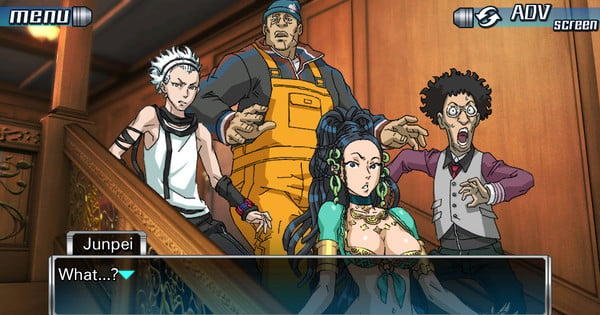
After years of mystery surrounding one of gaming's most iconic characters, director Kōtarō Uchikoshi has finally given Seven from 999: Nine Hours, Nine Persons, Nine Doors an official first name: Six. The character's full name is Six Seven.
Uchikoshi announced the reveal on X (formerly Twitter) on Wednesday, explaining that "Seven is his last name, and his first name is Six." The creative choice appears to be a nod to the viral "6-7" trend that exploded online in 2025.
The meme originated from NBA player LaMelo Ball's highlight reels set to Skrilla's "Doot Doot (67)," but gained massive traction when basketball player Taylen "TK" Kinney adopted the phrase in interviews alongside distinctive hand-sawing gestures. The trend reached peak popularity after a viral April 2025 video from content creator Cam Wilder featuring kids repeating "6-7" while performing the hand motion.
The naming inspiration came directly from fan engagement. An X user asked Uchikoshi if he'd ever reveal Seven's real name, adding: "If not could you just create a name that you like to fill the 'what is seven's name' shaped hole in my heart." Rather than leave it unanswered, Uchikoshi responded with the meme-inspired name.
999: Nine Hours, Nine Persons, Nine Doors launched on Nintendo DS in 2009 as the first entry in the Zero Escape series. The visual novel puzzle game became a cult classic for its intricate mystery, time-loop narrative, and memorable cast of characters. Seven, the mysterious man in the gas mask, remained largely enigmatic throughout the series, making this official name reveal a treat for long-time fans.
The reveal demonstrates how even veteran game creators stay connected to internet culture and their fan communities. Uchikoshi's willingness to engage with a player's genuine question and answer it with humor shows the kind of relationship modern developers can build with their audience—even years after a game's original release.