
The Warrior Princess and the Barbaric King Flips Gender Dynamics
The new anime series The Warrior Princess and the Barbaric King explores themes of cultural prejudice and gender equality through its unlikely romance, though early episodes struggle with how they handle the protagonist's trauma.
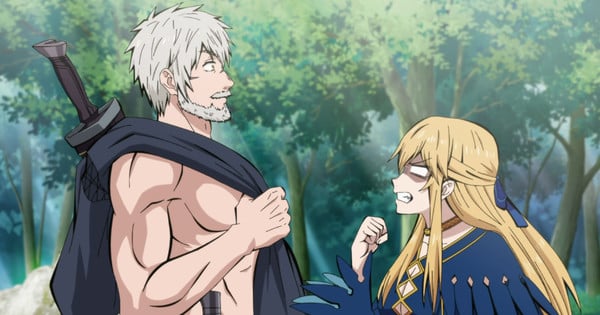
The Warrior Princess and the Barbaric King is using its first two episodes to challenge assumptions about civilization and barbarism, even if the execution is still finding its footing.
The series follows Serafina, a woman raised in a militaristic kingdom that actively discouraged her from pursuing knighthood. When captured by Veorg, a leader of the supposedly "barbaric" warriors her nation has been at war with for generations, she discovers her captors are actually more progressive than the society she came from. The kingdom's treatment of women—confined to domestic roles—contrasts sharply with the respect Serafina finds in her captor's culture.
The core concept works: Sera's panic in episode two stems not from any genuine threat but from internalized trauma and lowered expectations. When Veorg respects her boundaries and apologizes for even picking her up without permission, it confounds her because she's never experienced that consideration before. Her brother literally told her she belonged "pregnant and barefoot in the kitchen," so her initial fear that Veorg intends to keep her captive and pregnant isn't paranoia—it's pattern recognition based on everything her own family taught her to expect.
However, the series stumbles in how it frames this narrative. Episode one makes a joke out of Sera's fears about rape and execution, which lands poorly and undermines the thematic weight. Episode two improves by letting her extended panic actually communicate something meaningful about her background, though Veorg's double entendres still feel tonally inconsistent with the show's broader message.
What works is the underlying logic: the "barbaric" warriors live in harmony with nature, manage their resources sustainably, and respect women as equals. Meanwhile, the advanced, civilized kingdom practices systematic gender discrimination. The series is essentially asking viewers to question which society is actually barbaric—a question that carries real weight if the show can maintain tonal consistency.
The first two episodes suggest The Warrior Princess and the Barbaric King has interesting ideas about challenging cultural prejudice and gender roles. It just needs to trust those ideas rather than undercut them with uncomfortable jokes.