
Witch Hat Atelier's First Episodes Explore Magic, Power, and Inequality
The first three episodes of Witch Hat Atelier establish a world where magic is restricted to those with witch bloodlines, exploring themes of power, forbidden knowledge, and social division through protagonist Coco's journey.
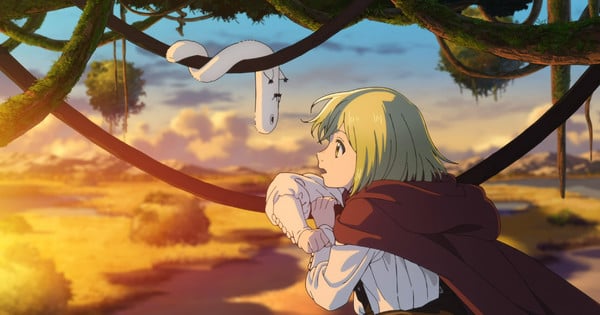
Witch Hat Atelier wastes no time diving into its core themes: who gets to wield power, and what happens when that power is hoarded. The anime's opening episodes paint a world where magic isn't inherently rare—it's artificially gatekept.
In Coco's time, only those born into witch bloodlines can legally cast spells. Everyone else is forbidden from even learning, and society has accepted the convenient lie that non-witches simply lack the ability. It's a neat system for maintaining control, one that's created a clear divide between magical haves and have-nots. The wealthy can purchase "contraptions"—magical devices created by witches—but the real power stays locked away.
The series wastes no time making this personal. Episode one introduces Coco, whose curiosity about magic leads her to accept a spellbook and magical pen from a Brimmed Cap witch at a festival. When Coco attempts to use it, she accidentally petrifies her mother. It's a brutal, concrete example of why the system exists—or at least, why those in power claim it does.
But here's where Witch Hat Atelier gets interesting: the show doesn't let that explanation sit comfortably. Yes, the spell caused disaster. But was the problem really the spell itself, the person using it, or a system that forbade anyone from learning how to use magic safely? The anime raises the question without immediately answering it, letting viewers sit with the moral complexity.
The world itself is divided into factions too. Brimmed Cap witches are considered dangerous because they reject the rules limiting what magic can do and who can cast it. Brimless Cap witches enforce the status quo. Coco's discovery that anyone can theoretically draw spells puts her at odds with both, setting up the central tension that will likely drive the series forward.
Through three episodes, Witch Hat Atelier has established itself as more than just a magical girl story. It's a thoughtful examination of power structures, information control, and whether good intentions justify systemic inequality. The anime trusts its audience to sit with uncomfortable questions while still delivering an engaging story about a girl determined to learn magic—no matter what society says she's allowed to do.