
Witch Hat Atelier's Kamome Shirahama Meets The Owl House's Dana Terrace at Anime Expo
At Anime Expo 2026, manga creator Kamome Shirahama and animator Dana Terrace held a special Q&A session celebrating their mutual admiration for each other's fantasy works. The event brought together fans of both Witch Hat Atelier and The Owl House for an intimate discussion.
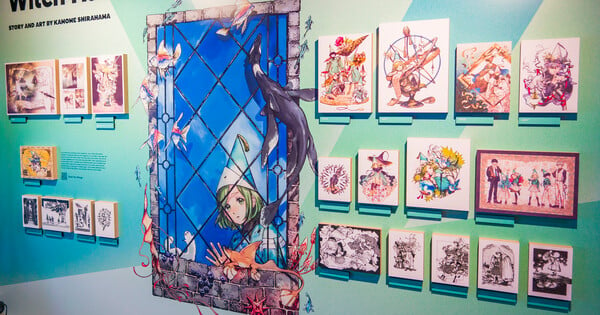
Two fantasy creators with a long-standing admiration for each other finally shared the stage at Anime Expo 2026. Kamome Shirahama, known for the manga Witch Hat Atelier, and Dana Terrace, creator of the animated series The Owl House, participated in a special Q&A session at Kodansha House that drew sixty devoted fans.
The discussion marked a rare public meeting between the two artists, who have expressed appreciation for each other's work over the years. Shirahama appeared in her signature Iguin cosplay—a nod to her own character designs—while the pair discussed their approaches to fantasy storytelling across different mediums.
While specific details from the conversation remain limited, the event highlighted the cross-pollination between Western animation and Japanese manga in the fantasy genre. Both Witch Hat Atelier and The Owl House have built devoted fanbases for their inventive magic systems, character development, and willingness to explore complex themes within fantastical settings.
Witch Hat Atelier, Shirahama's ongoing manga serialized in Weekly Young Jump, follows an aspiring mage discovering a hidden magical society. The series has earned recognition for its intricate world-building and detailed artwork. The Owl House, which concluded its three-season run on Disney+, similarly built a passionate community around its sapphic romance, supernatural mystery elements, and diverse character cast.
The Anime Expo panel represents growing recognition of how fantasy stories resonate across cultural and format boundaries. Rather than existing in separate spheres, manga and animation continue to influence each other, with creators like Shirahama and Terrace drawing inspiration from international works while crafting their own distinctive visions.
This kind of direct creator interaction also underscores the importance of fan conventions as spaces where artists can connect beyond their immediate audiences and celebrate shared creative influences. For fans present, the Q&A offered a glimpse into how two accomplished storytellers approach similar genres from markedly different cultural and production contexts.