
Finding Value in Focused, Linear Anime Games
As gaming budgets balloon, there's growing appreciation for well-crafted linear experiences that know when to end—a philosophy that applies equally to anime and game storytelling.
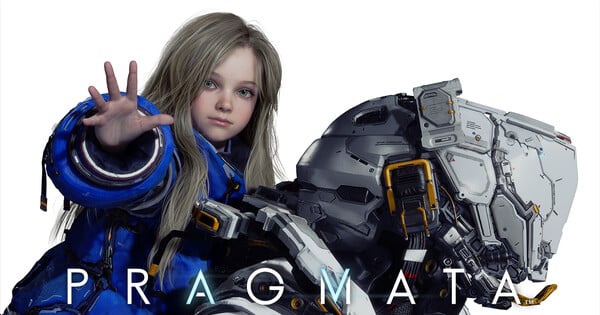
There's something refreshing about a game (or anime) that commits to a single vision, executes it with quality production values, and respects your time by ending when the story reaches its natural conclusion.
In an industry often obsessed with open worlds, live-service models, and endless content, the case for focused, linear experiences keeps getting stronger. When creators have the budget to back their vision and the discipline to maintain it throughout, the results speak for themselves.
This principle matters just as much in anime. Some of the best series in recent years have been those that tell complete stories in 12-13 episodes, wrap up cleanly, and move on. They don't overstay their welcome or stretch thin plots across multiple seasons. They have a beginning, middle, and end—and they stick the landing.
High production values matter too. When studios invest in animation quality, sound design, and character development rather than padding runtime, viewers notice. The difference between a show that feels purposeful and one that feels like it's checking boxes is palpable.
There's also an accessibility factor worth considering. Not everyone has hundreds of hours to sink into entertainment. A well-paced 12-episode series or a focused narrative game respects that reality while still delivering emotional impact and meaningful storytelling.
The current anime landscape actually demonstrates this well. Series like Jujutsu Kaisen (despite ongoing sequels), Demon Slayer, and Vinland Saga have built devoted fanbases partly because each arc feels complete and satisfying. The pacing is tight. The story knows where it's going.
What makes this approach work isn't about being "indie" or "artistic" in a precious sense—it's practical. Clear vision, smart pacing, and knowing when to end create experiences that resonate. Whether that's in gaming or anime, audiences increasingly crave that kind of intention.
For creators with the resources to execute at a high level, the question becomes: why wouldn't you?