
Hundred Scenes of AWAJIMA Episode 10 Explores Legacy Through Parental Bonds
Episode 10 of Hundred Scenes of AWAJIMA continues the series' examination of generational legacy, focusing on characters navigating their relationships with famous parents and what it means to follow in their footsteps.
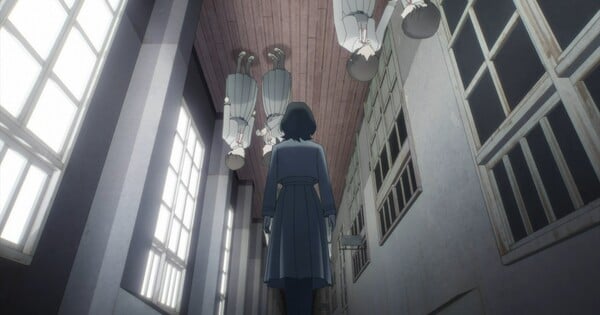
Hundred Scenes of AWAJIMA's latest episode doubles down on one of the series' central themes: how we inherit—and sometimes reinvent—the legacies of those who came before us.
Episode 10 weaves together multiple stories about children of Awajima alumni, each exploring a different facet of parental influence. The standout segment introduces Wakana, now an adult writer, and Shinji Hasegawa, who also pursued a writing career despite having a famous actress for a mother.
Shinji's story carries particular weight. Growing up in the shadow of his mother's demanding show business career created an emotional distance that a typical "nuclear family" narrative can't capture. Rather than resenting her absence, Shinji channeled his complicated feelings into his own work—becoming a writer as his way of understanding both his mother and himself. The episode smartly portrays this not as rebellion but as a quiet form of connection, a son finding his own path that parallels hers.
The series continues its recurring use of interviews as a narrative device, a choice that feels both intentional and thematically resonant. Since Awajima centers on show business and celebrity, the interviews mirror a larger truth: people present curated versions of themselves to the world, whether they're actors in a drama or real people reflecting on their lives. The portrait someone paints of themselves isn't always the whole truth—and that's not necessarily dishonest, just human.
This episode demonstrates why Hundred Scenes of AWAJIMA has earned a community score of 4.2. Rather than offering neat resolutions, it sits with the bittersweet reality of adult relationships with parents who prioritized their careers. There's no resentment or melodrama, just acknowledgment of the space that exists between people who love each other but speak different languages.
For viewers who appreciate character-driven storytelling over action or spectacle, Episode 10 delivers exactly what the series promises: quiet profundity found in the small moments where we recognize ourselves in others' struggles.