
Kaiju Girl Caramelise Proves Heartfelt Romance Deserves a Giant Monster
The first three episodes of Kaiju Girl Caramelise have struck a chord with viewers by blending romantic comedy fundamentals with surprisingly complex emotional storytelling. The series uses its premise—where the heroine transforms into Godzilla when her heart races—to explore deeper themes of self-doubt and human connection.
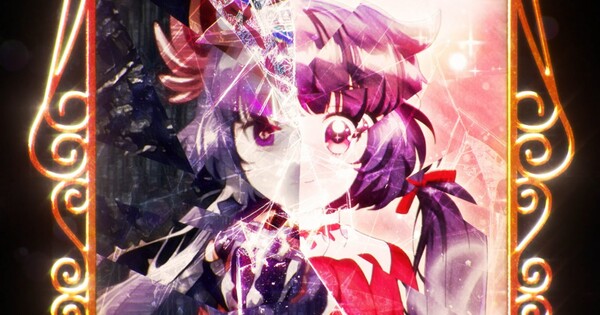
Kaiju Girl Caramelise is doing something smart with its absurd premise. On the surface, watching a girl turn into a giant monster whenever she catches feelings is the kind of high-concept hook that grabs attention. But the first three episodes reveal the series understands that premise exists to serve something bigger: a genuine exploration of insecurity, miscommunication, and what it feels like to be out of step with the world.
The story centers on Kuroe, the protagonist who experiences that literal monster transformation, and her attempts to navigate romance with a boy named Minami. What makes this work is how the series uses that kaiju transformation as a metaphor for the gap between your inner world and outer self. Kuroe's emotional turmoil has teeth—literally—but the real tension comes from how she and Minami struggle to understand each other.
Mangaka Spica Aoki brings a shojo sensibility to what's published in a seinen magazine, and that background shows in how carefully the narrative treats both characters' emotional lives. We're not just rooting for Kuroe because she's the protagonist; we're sympathizing with Minami's unspoken hurt when miscommunication drives a wedge between them. That third episode especially demonstrates the series' willingness to let romantic complications breathe, painting both perspectives with genuine complexity rather than simplistic comedy beats.
Screenwriter Yuniko Ayana has clearly found the heart in the premise. Rather than playing every transformation for laughs, the writing uses Kuroe's monster form to externalize the very human fear of being fundamentally wrong or broken. It's a clever visual language for anxiety that many viewers immediately connect with—the series landed in the top 5 most-requested shows for daily reviews, suggesting audiences recognize what it's doing.
The chemistry between Kuroe and Minami crackles with charm; they're written as lovable, flawed people rather than romance archetypes. If the series maintains this balance between heartfelt character work and the inherent absurdity of its premise, it could become something special. Based on these first three episodes, there's every reason to think it will.