
Korean Government Transforms Senior Stories Into Webtoons for Cultural Preservation
South Korea's Heritage Service is adapting the life stories of elderly residents into webtoons and digital content as part of a new intangible cultural heritage project. Over 100 students from 10 universities will participate in documenting oral histories from seniors aged 75-90 in depopulating regions.
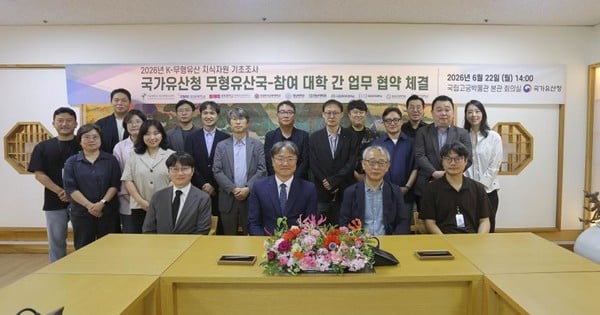
South Korea's government is taking an unconventional approach to cultural preservation by turning the life stories of elderly residents into webtoons. The Korean Heritage Service announced a new initiative on June 23 called the K-Intangible Cultural Heritage Knowledge Resource Basic Survey, which will document and digitize the experiences of seniors aged 75 to 90 living in regions facing population decline.
The project brings together 10 university departments and research institutes, including Seoul National University, Kangwon National University, and Chungbuk National University. More than 100 students and young researchers specializing in intangible cultural heritage will participate in collecting oral histories from elderly residents and transforming them into digital formats.
The collected stories won't just sit in archives. Instead, they'll be adapted into webtoons, short-form videos, and other digital content formats—making cultural heritage accessible to younger audiences through media they already consume. This approach serves dual purposes: preserving invaluable oral histories that might otherwise be lost while creating engaging content that demonstrates the value of Korea's intangible cultural heritage.
Under the agreements, the Korean Heritage Service and participating universities will establish regional research networks to share oral history archives and digital resources. This collaborative structure allows knowledge to flow between institutions while keeping the project grounded in local communities.
The initiative addresses a real problem in rural South Korea, where aging populations and outmigration threaten the continuity of cultural knowledge. By documenting these seniors' lived experiences and translating them into formats that resonate with younger generations, the project bridges a generational gap while fighting cultural erosion in depopulating areas.
This blend of traditional heritage preservation with modern digital storytelling represents an interesting middle ground—neither dismissing newer formats like webtoons as frivolous nor treating cultural documentation as purely academic work. If successful, the model could offer lessons for other countries grappling with how to preserve intangible cultural heritage in the digital age.