
Mononoke Trilogy Producer Retires After Voice Actor Recasting Controversy
Kōji Yamamoto, planning producer for the Mononoke film trilogy, has retired from producing and apologized after the third film unexpectedly brought back original voice actor Takahiro Sakurai without advance notice.
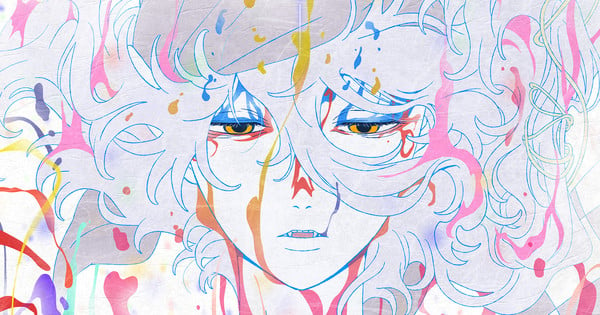
The Mononoke film trilogy has hit a significant bump. Kōji Yamamoto, the planning producer behind the franchise's three-film series, announced his retirement from producing on Friday via X (formerly Twitter), along with an apology addressing the controversy surrounding voice actor recasting in the third installment.
The issue centers on Mononoke The Movie: Chapter III – The Curse of the Serpent (Gekijōban Mononoke Dai-San-Shō: Hebigami), which opened in Japan on May 29. The film features a cameo appearance by the original Medicine Seller character, voiced by Takahiro Sakurai—a detail the production kept secret from audiences. Fans only discovered this after seeing the movie, sparking mixed reactions: some praised the surprise cameo while others felt blindsided by the lack of transparency.
According to Oricon, the staff eventually released a new trailer on Monday showing the character and a line of dialogue, but still didn't reveal the voice actor's identity until June 1, three days after the film's release.
In his statement, Yamamoto explained the creative thinking behind the decision. As the team developed the story for the third film and crafted the final enemy encounter, they considered bringing back another Medicine Seller. While they could have introduced a different character, the staff ultimately chose to revive the "Ri" Medicine Seller from the original television series to satisfy fans requesting the character's return.
Yamamoto said he wanted audiences to experience the reunion without knowing it was coming—believing this would create a powerful moment for viewers. However, he acknowledged that keeping the information secret "deprived those who did not want to see the original Medicine Seller" the chance to make an informed decision about watching the film.
By taking responsibility and announcing his retirement, Yamamoto accepted accountability for how the situation was handled. The move reflects the production's recognition that managing fan expectations and communication around major casting decisions requires more care, especially in franchises with dedicated fanbases who have strong opinions about character returns and creative direction.