
Snowball Earth Episode 11 Review: Villain Backstory Falls Short
Episode 11 attempts to add depth to antagonist Sagami through a flashback revealing his abandonment issues, but the late-game reveal fails to redeem an increasingly one-note villain.
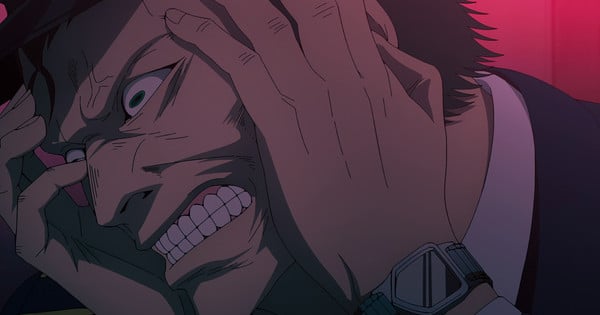
Snowball Earth's eleventh episode tries something ambitious: it aims to make us sympathize with the show's primary antagonist through a tragic backstory. The result is mixed at best.
Sagami's motivation stems from parental abandonment and an overwhelming need to feel wanted—a setup that mirrors protagonist Tetsuo's own emotional isolation. Both characters grew up craving meaningful connection: Tetsuo became socially awkward despite being adored, while Sagami turned egotistical and unstable, constantly seeking validation. On paper, this parallel works. In execution, it doesn't quite land.
The core issue is timing. Viewers already understand Sagami's core flaw—he's an attention-seeking egomaniac who briefly tasted fame and couldn't handle when it faded. Adding context to that motivation doesn't fundamentally change who he is. The episode essentially tells us "here's why he's broken," but that explanation arrives too late to reshape how we perceive him as a character. It feels more like padding than a genuine turning point.
There's also the practical problem of redemption: Sagami caused Tetsuo's space station to crash on Earth and nearly committed mass murder. Understanding his trauma doesn't erase those actions, and it's hard to sympathize with someone whose villainy has been so consistently petulant and destructive. Compare this to Final Fantasy VII's Sephiroth, who maintains his complexity and irredeemability throughout—we understand his brokenness from the beginning, which makes it all the more tragic that he can never be saved.
The episode does work in one respect: Tetsuo's response to Sagami's confession represents genuine character growth. After an entire series learning to communicate better, Tetsuo finally has a real conversation with his nemesis. That moment feels earned and authentic, even if the antagonist himself remains frustratingly unchanged.
Snowball Earth continues to wrestle with its structural problems, though viewers expecting a Sagami redemption arc will likely leave disappointed. The show remains self-aware enough to joke about its own CG limitations, but self-awareness alone can't compensate for dramatic timing that consistently misses the mark.