
The Warrior Princess Episode 7 Explores Colonialism Through Fantasy Worldbuilding
The latest episode of The Warrior Princess and the Barbaric King digs into the nature of blight and draws compelling parallels between environmental destruction and cultural erasure under imperial rule.
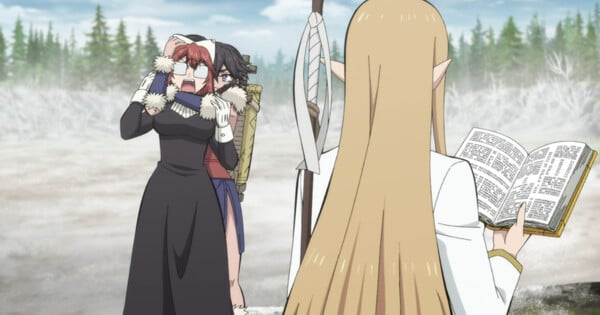
The Warrior Princess and the Barbaric King continues to lean into its central theme: colonization destroys not just cultures, but the land itself. Episode 7 takes this message head-on, exploring what happens when imperialism meets a world where nature has its own agency.
This week's episode finally gives us concrete answers about the blight plaguing the eastern lands. We learn that Malcius, the antagonist, created it by corrupting living things on a massive scale—but the real damage goes deeper. According to Veor and the leaders of the other races, the blight represents a fundamental violation: the conquest of the land's own willpower.
Here's where the story gets thematically rich. The Illdorans, the imperialist invaders, believe in forcing the land to submit to their will. The indigenous peoples and other races, by contrast, see the land as a living entity deserving respect and partnership. When Malcius corrupted it, she didn't just poison the soil—she brainwashed the very earth into forgetting what it's supposed to be.
The episode draws a direct line between this environmental violation and the cultural domination of people. Several former Illdoran women now live peacefully with the barbarians they once fought against, having been deprogrammed from their empire's ideology. The contrast is stark: they're happier, freer, and living in harmony with their new communities and the land itself. It's a pointed commentary on how imperial systems function—not just through conquest, but through indoctrination.
Sera's own journey mirrors this larger struggle. Like the blighted forest losing its essence, people under Illdoran rule have had their true nature obscured by propaganda. The solution, hinted at through a cleansing ceremony that combines magic with practical reforestation, suggests that healing requires both spiritual and material work.
While the series doesn't exactly hide its message—the colonialism allegory hits with the subtlety of a flag planted on a conquered beach—it's a story worth telling and worth telling plainly. The worldbuilding effectively uses fantasy to explore real historical and ongoing patterns of exploitation.