
Why Basketball Anime Remains a Genre-Defining Slam Dunk
Slam Dunk's enduring influence on sports anime stems from creator Takehiko Inoue's mastery of manga as a medium and his refusal to rely on typical shonen tropes. The series' authentic portrayal of high school basketball and characters continues to define the sports anime formula decades later.
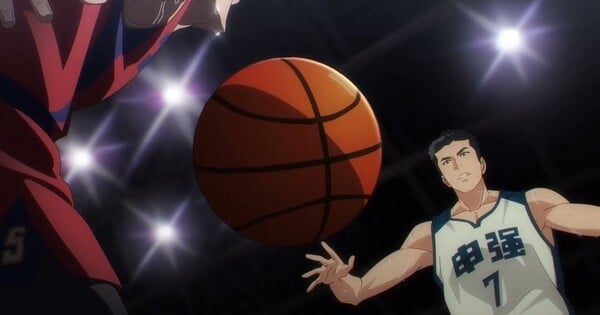
Slam Dunk stands as the gold standard for sports anime and manga, not because it reinvented the wheel, but because it understood something fundamental: basketball is inherently compelling. Creator Takehiko Inoue didn't need to dress up the sport in conventional shonen formula tropes to hook readers. Instead, he trusted that the game itself, combined with genuine characters who feel like real high school kids rather than archetypes, would resonate.
The series' influence on modern sports anime is quietly massive. While Captain Tsubasa holds the crown for overall impact on the genre, most sports series today borrow liberally from Slam Dunk's playbook. Pick up almost any contemporary sports manga or anime, and you'll spot the DNA—it's practically a bingo card at this point.
What sets Inoue apart is his technical mastery of manga as a visual medium. His illustrations of basketball action capture the genuine excitement of the sport in ways that feel earned rather than exaggerated. Former players can attest: seeing an alley-oop drawn by Inoue hits exactly like witnessing it live. That authenticity is rare in sports fiction.
Over Slam Dunk's 31-volume run, Inoue's art evolved dramatically. In the early chapters, you can trace his background as an assistant to City Hunter's Tsukasa Hōjō. But as the series progressed, Inoue developed his own distinctive style, with each volume showcasing measurable improvement. That artistic growth mirrors the character development, creating something that rewards long-term readers.
Slam Dunk deserves every accolade it receives. The manga remains quietly one of the most successful properties globally, and its continued relevance speaks volumes. New deluxe editions keep the series in circulation, introducing it to readers who might have missed the original Raijin Comics localization.
For casual fans skeptical about sports anime: Slam Dunk works even if basketball bores you. The characters are entertaining enough to carry you through, and Inoue's craftsmanship ensures you'll be invested in their victories regardless. It's not just sports anime—it's proof that the medium can handle any subject matter when the creator truly understands both their craft and their story.