
Seeing Sound: Why Dance is the Ultimate Translation of Music
**Seeing Sound**: Why Dance is the Ultimate Translation of Music
An old memory just popped up on my feed from eight years ago, and it instantly took me back.
For those who don’t know, I used to play the piano. Ludwig van Beethoven was always one of my absolute favorite composers to play—especially the haunting, beautiful waves of "Moonlight Sonata."
But when I reshared that old post, it wasn’t just to reminisce about my piano days. I shared it because it perfectly captures a passion I’ve carried with me for years: the desire to translate music into movement.
**When Hip-Hop Meets Classical Mastery**
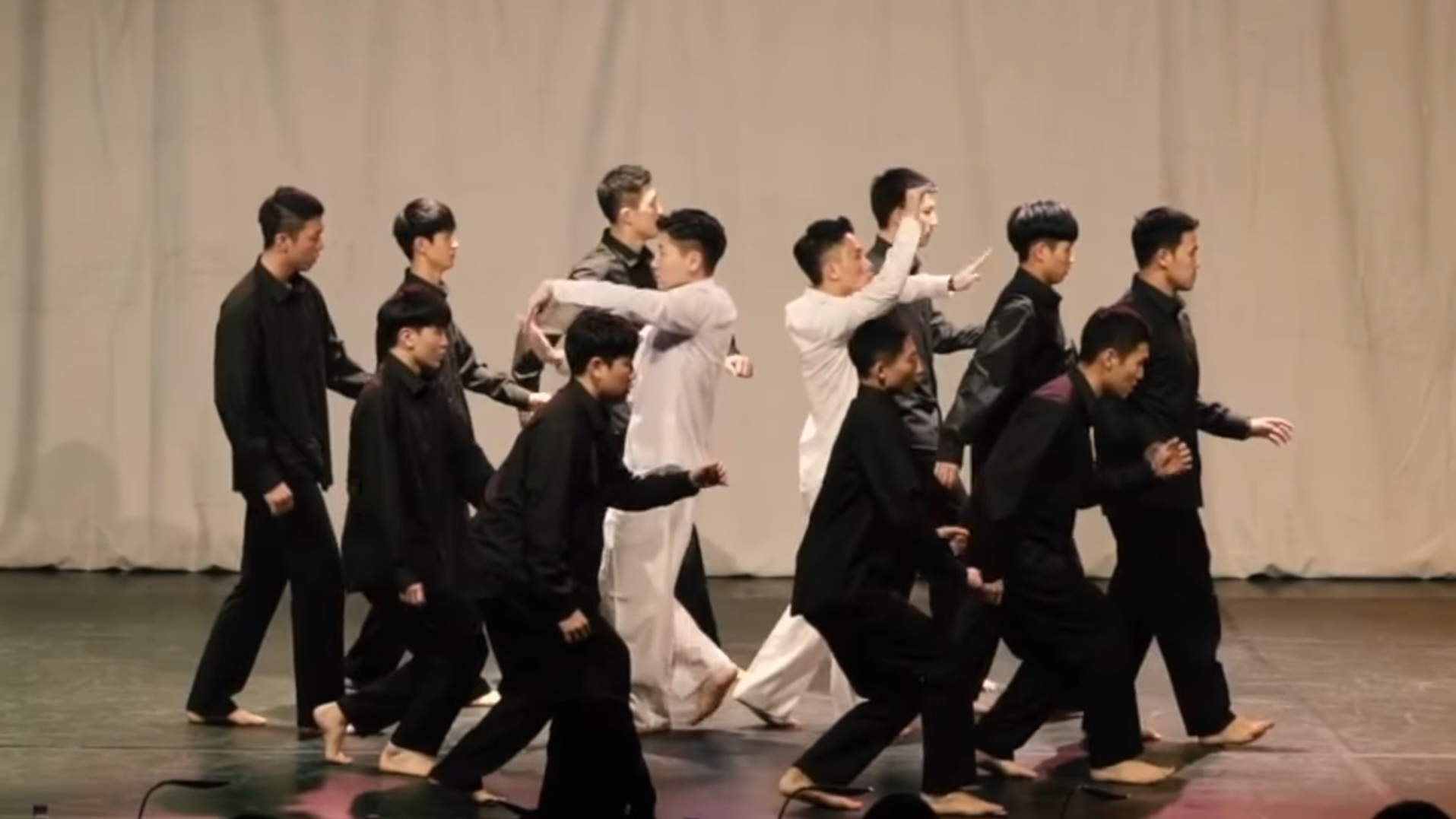
I wish I could show you the exact video that sparked this reflection. Imagine a hip-hop dance crew taking the stage. But they aren't dancing to a typical heavy rap beat. Instead, the timeless, cascading notes of Beethoven’s piano fill the room, remixed with a sharp, modern pulse.
What makes this choreography unforgettable is how the dancers literally become the instrument:
The Visual Keyboard: The stage lighting and the dancers' stark black-and-white wardrobe mirror the keys of a piano.
**The Physical Strike**: Every time a piano key is hit in the music, a dancer moves with sharp, isolated precision. A sudden drop of the shoulder matches a deep bass note; a swift, fluid spin follows a flurry of high keys.
**The Shape of Harmony**: When the music swells and the harmonies blend together, the individual dancers merge into synchronized formations. They create physical shapes on stage, turning invisible soundwaves into a living, breathing canvas of art.
It is the perfect visual representation of what it looks like to truly see sound.
"Dancing is so much more than just movement. It’s about capturing every key, every harmony, every background beat, and the soul of the lyrics."
**Passing the Rhythm to the Next Generation**
Seeing that video again reminded me of my ultimate dream: I want to teach kids the true depth of music. Too often, dance is taught as just a series of memorized steps—counts of 1, 2, 3, 4. But I want to teach the next generation to listen deeper. I want to show them how to find the hidden layers of a song, how to feel the emotion behind a chord progression, and how to express that exact feeling through their bodies.
Music gives us the blueprint, but dance gives it a heartbeat. I hope I can carry this passion forward and inspire young dancers to stop just hearing the music, and start becoming it.