Inside Japan's Hip-Hop Underground: RYO-Z and DABO Reflect on the Scene Before Legend
RIP SLYME's RYO-Z and NITRO MICROPHONE UNDERGROUND's DABO sit down to discuss their parallel journeys through 1990s Japanese hip-hop, from open mic nights to early performances that shaped the genre's underground scene.
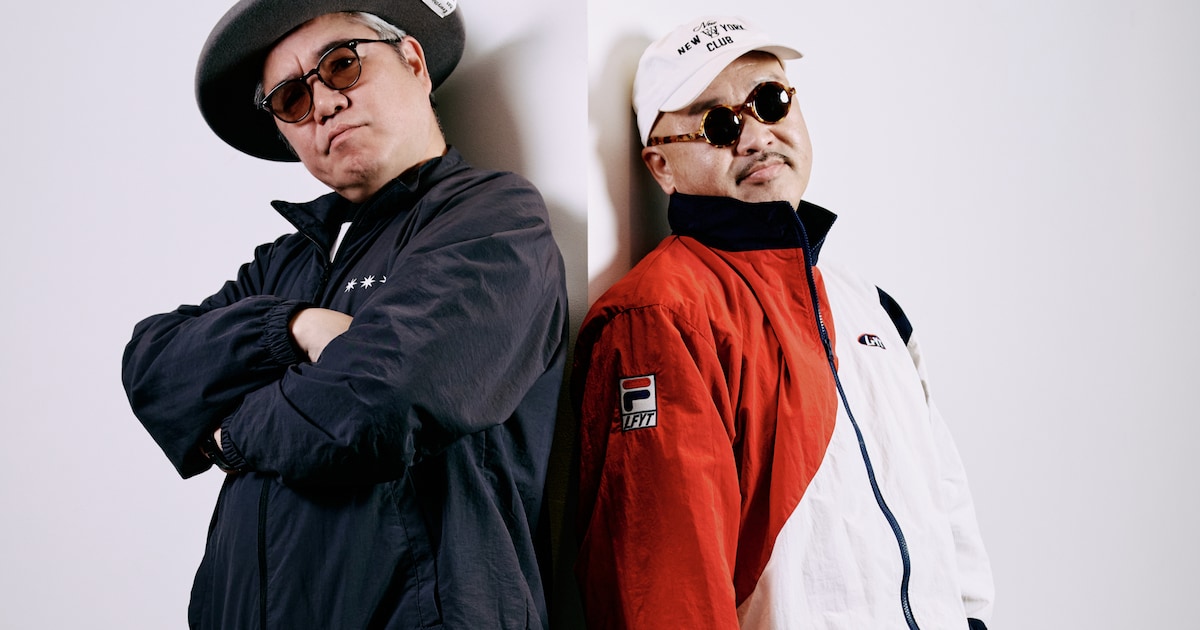
Before they became fixtures of Japan's hip-hop landscape, RYO-Z and DABO were grinding through the same cramped Tokyo club circuit, building the scene from the ground up.
In a new interview for the "Sanpin Camp and Its Era" series, the two artists—both roughly the same age and equally instrumental in defining Japanese rap—trace their early days back to the mid-1990s when the path forward was anything but clear.
RYO-Z founded RIP SLYME in September 1994 with a simple formula: take the first letters of three MCs' names (RYO-Z, ILMARI, PES) and build a group around them. The band's first show came at Club 251 in Shimokitazawa, arranged almost by accident when friends like EAST END's YOGGY and K.I.N from MELLOW YELLOW jokingly suggested they throw an event. That casual attitude masked genuine momentum—by the time they performed, RYO-Z recalls being struck by how underground rappers operated with almost no recorded material but somehow still carved out space to perform.
DABO was climbing a different ladder. While RYO-Z was building RIP SLYME, DABO was regular at Club CHOICE in Ikebukuro, trading bars with K-BOMB and absorbing everything around him. More surprisingly, he'd already landed a Murasaki Sports radio commercial—a 30-second track featuring a sample loop that, by his own account, predated even MICROPHONE PAGER's famous use of the same break. It was a tiny foothold in the mainstream, arranged through connections with Brooklyn Yasu, the industry figure who would later shape Future Shock Records.
What strikes both artists in retrospect is how limited opportunities were. There was no grand strategy, no clear business plan. Instead, they haunted open-mic nights and club events—"FG NIGHT," "BLACK MONDAY," anywhere a microphone existed. This was how you got known, how you earned props, how you eventually found collaborators. KREVA appeared in those spaces too, arriving with a competitive edge that stood out against the more casual vibes RYO-Z and DABO preferred.
"The future wasn't visible," DABO laughs. "But we weren't worried about it either."
They were simply making the scene as they went.