
YOASOBI's Secret: Great Music Doesn't Require Expensive Gear
YOASOBI producer Ayase revealed his surprisingly simple toolkit for crafting the duo's intricate pop sound, proving that complex arrangements don't demand cutting-edge technology.
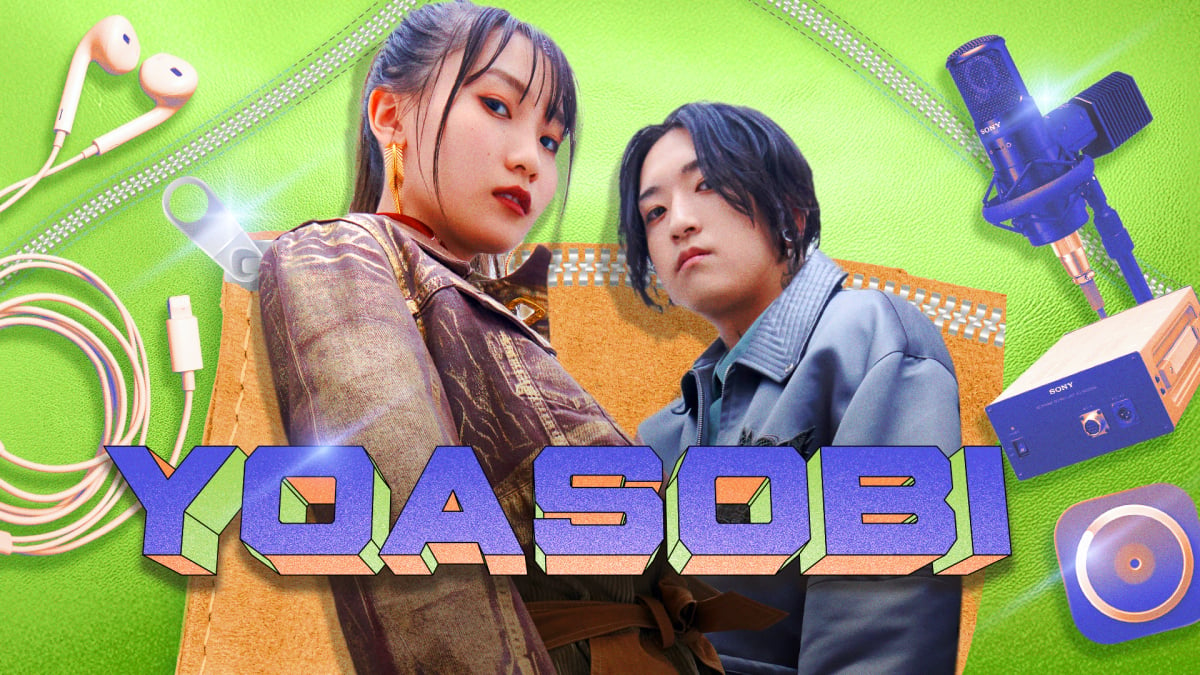
When Mashable asked YOASOBI what five pieces of technology are essential to making their music, Ayase nearly couldn't fill the list. The producer behind some of J-Pop's most ambitious arrangements—like "Idol," the Oshi no Ko theme with nearly 700 million YouTube views—works with gear that's almost mundane by modern production standards.
Ayase's toolkit includes Logic Pro, where he assembles his compositions; Splice, a digital sound library he draws from; a high-end Sony microphone for recording ikura's vocals; and a pair of wired EarPods. Yes, EarPods—the older Apple earbuds that most producers have traded for AirPods. For Ayase, their simplicity is the point. They give him an honest read on how his mixes will sound on everyday devices rather than in a perfectly treated studio.
This lean approach reflects Ayase's background in Japan's Vocaloid production scene, where he learned to build entire arrangements with just a laptop and voice-synthesizing software. He's carried that efficiency into his work with YOASOBI, crafting densely layered songs that shift direction constantly, piling bright piano melodies over electronic beats and unexpected sonic details. When ikura's voice entered the picture, the production ambition didn't shrink—it simply gained a human vocalist capable of navigating his intricate melodies.
What stands out about Ayase's confession isn't that he uses cheap gear, but that he uses accessible gear. Logic Pro, Splice, and standard microphones are available to anyone with a laptop and internet connection. The Sony mic is the most specialized item on his list, yet it sits alongside consumer-level tools. The distinctive YOASOBI sound comes not from proprietary equipment or expensive plug-ins, but from what Ayase does with ordinary tools—how he arranges them, layers them, and refuses to let conventional pop structure limit where his ideas go.
It's a reminder that production complexity emerges from creative decisions, not hardware specs.