OUR PILLARSThe Experience
VIEW ALL PROGRAMSDance Cover
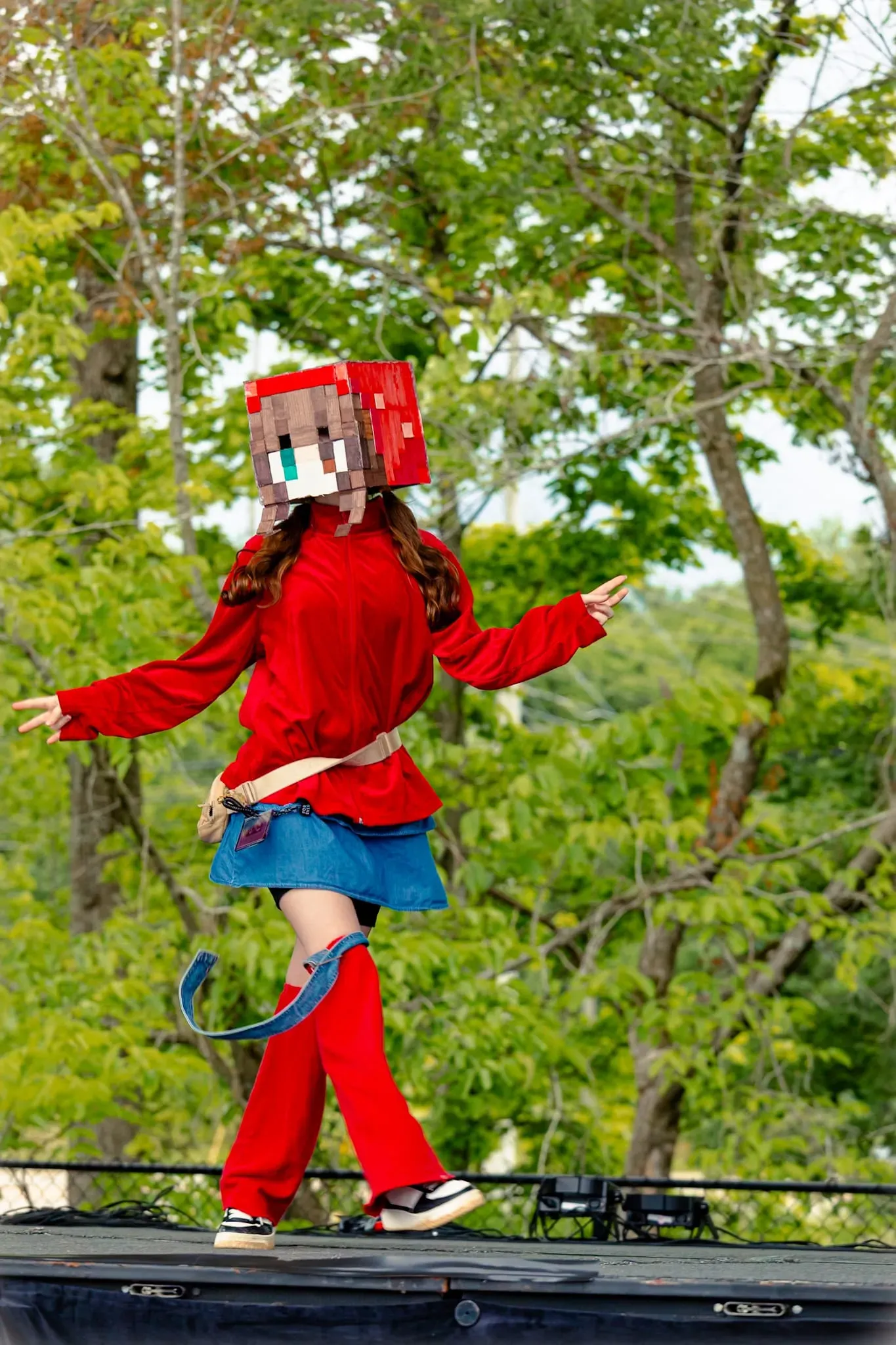
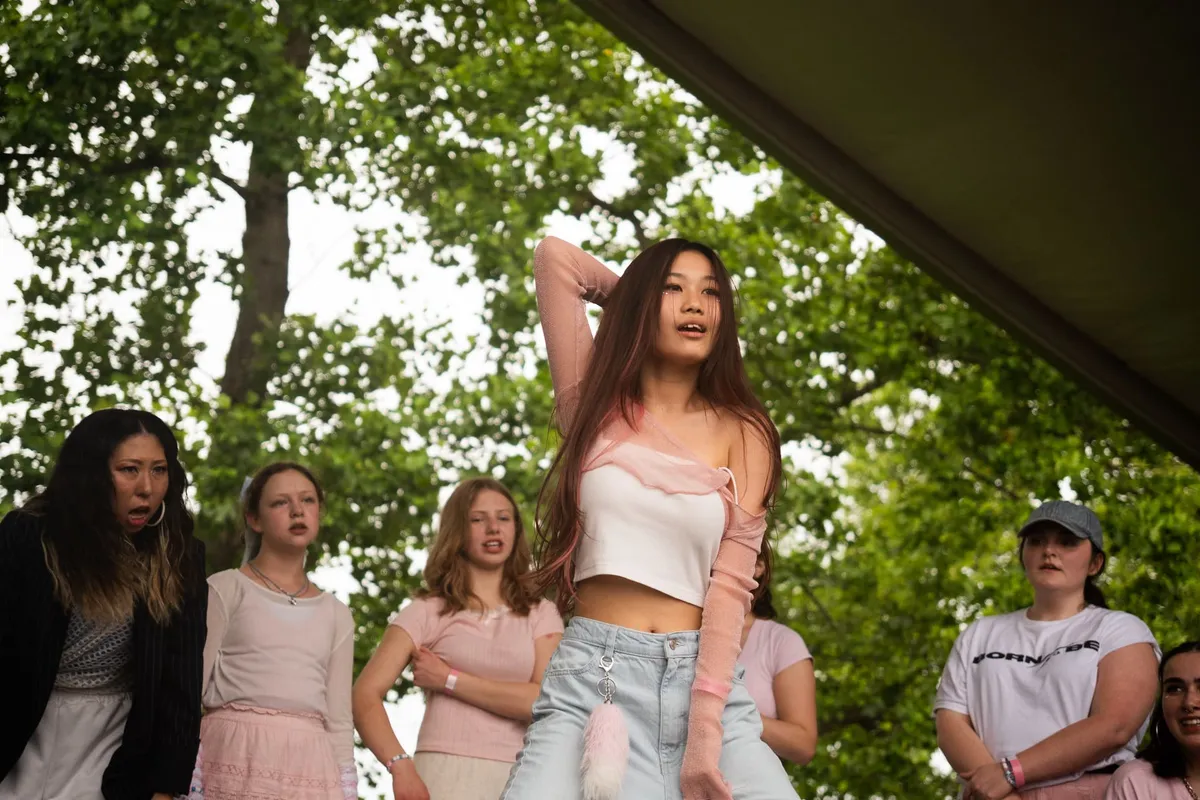
Compete or learn. The biggest K-Pop dance event in the region.
Creators Alley
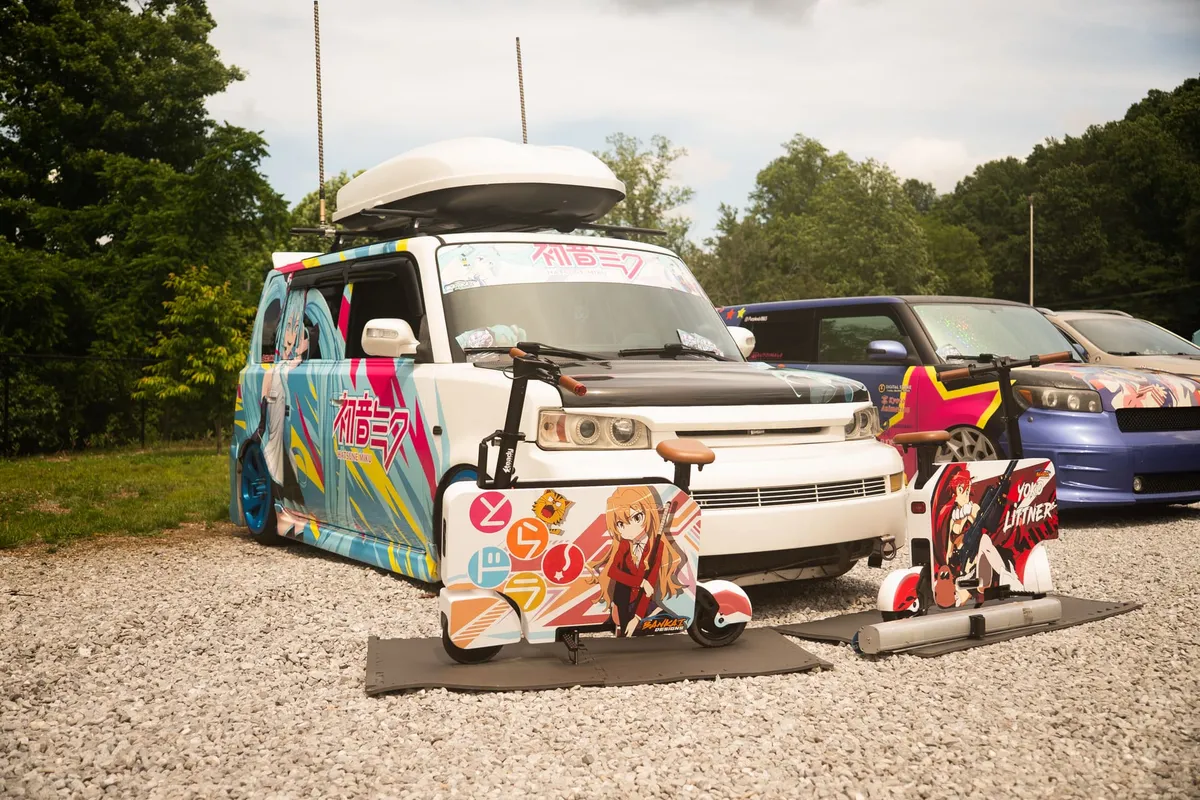
Support local artists and find unique anime-inspired gear.
Idol Guests
Meet the voices and faces behind your favorite media.
Cultural Exchange
Immersion workshops, language exchange, and traditional arts.
VIBE CHECKCommunity Pulse
FULL GALLERY.webp)
.webp)
.webp)
.webp)
TRUSTVoices
My confidence has skyrocketed and I feel like I'm around others who get me. I feel more open to talk to people and I think outside the box more, now. It has given me more opportunities to become friends with others and build those relationships. I genuinely believe this team is a family and we are all there for each other. We grow together and have fun. I also believe I have found myself, my style, my personality, honestly everything.
What inspired me the most was how accepting everyone was of me and how caring everyone is.
I've built so many friendships being apart of this team. It has so many benefits as well as boosting my confidence a lot and letting me see things from different perspectives.
They are my family they have been there more for me than anyone
It means family, a place where people with similar interests can come together, a group that helps each other and grows in their abilities, a safe place.
I've been learning a lot about life the past couple years, and this year's lesson has been to really try to live in the moment and make memories 🥹 getting back into kpop has really helped and I'm so thankful for it 🫰🏼Thank you for helping make the community here 🫶🏼
I'm amazed every time we go how confident she is, even if most kids are older than her. It's such an inviting and easy place to be for her.
I think it's a great place for all ages to learn the dances to the songs they love. Fun for everyone. KPop brought my daughter and I closer and this is one more thing to add to that.
My confidence has skyrocketed and I feel like I'm around others who get me. I feel more open to talk to people and I think outside the box more, now. It has given me more opportunities to become friends with others and build those relationships. I genuinely believe this team is a family and we are all there for each other. We grow together and have fun. I also believe I have found myself, my style, my personality, honestly everything.
What inspired me the most was how accepting everyone was of me and how caring everyone is.
I've built so many friendships being apart of this team. It has so many benefits as well as boosting my confidence a lot and letting me see things from different perspectives.
They are my family they have been there more for me than anyone
It means family, a place where people with similar interests can come together, a group that helps each other and grows in their abilities, a safe place.
I've been learning a lot about life the past couple years, and this year's lesson has been to really try to live in the moment and make memories 🥹 getting back into kpop has really helped and I'm so thankful for it 🫰🏼Thank you for helping make the community here 🫶🏼
I'm amazed every time we go how confident she is, even if most kids are older than her. It's such an inviting and easy place to be for her.
I think it's a great place for all ages to learn the dances to the songs they love. Fun for everyone. KPop brought my daughter and I closer and this is one more thing to add to that.
PARTNER WITH USPower Knox Pop Con 2026
Put your brand in front of East Tennessee's most passionate community. May 2, 2026 · Bridgewater Place, Knoxville
- Logo on website & signage
- Social media shoutout
- 2 VIP passes
- Premium booth space
- Stage & MC mentions
- Logo on all print materials
- 6 VIP passes + afterparty
- Title naming rights
- Keynote introduction
- Full-page program feature
100% of sponsorship funds support our 501(c)(3) nonprofit mission