M Countdown's 'Mega Concert' Promo Sparks AI Debate After Distorted Artist Faces
A promotional poster for M Countdown's upcoming 'Mega Concert' has drawn criticism from Korean netizens over oddly distorted artist faces, leading to widespread speculation about whether AI was used in production.
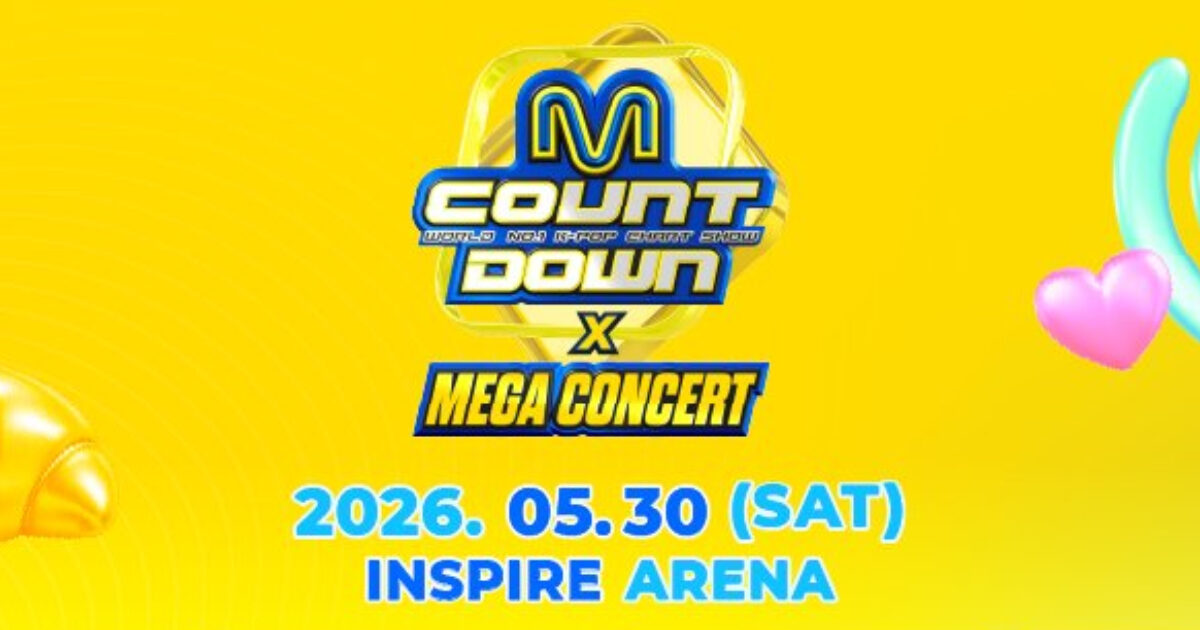
M Countdown's promotional material for an upcoming "Mega Concert" has become the center of an online controversy after fans noticed something off about the artists featured in the campaign.
On May 30, a post highlighting the issue gained traction on Korean online community theqoo, with users sharing screenshots from Mega MGC Coffee's official Twitter account. The focal point of criticism: every performer's face in the poster appears strangely blurred and distorted.
Netizens quickly debated whether the warped faces were an editing mishap or something more intentional. Many pointed fingers at artificial intelligence, noting that AI image generation tools often distort facial features unexpectedly—even when users only request changes to backgrounds or other non-face elements.
"If you run it through AI, it turns out like that," one commenter wrote, questioning why the company wouldn't simply use actual photos instead. Others speculated that the distortion might be deliberate, though several defended the possibility of an accidental AI glitch.
The conversation revealed a growing frustration among fans about AI use in entertainment promotion. Some compared the incident to a previous controversy involving SEVENTEEN's promotional materials, suggesting this has become a pattern rather than an isolated incident.
Reactions split between two camps: those convinced the company took shortcuts with AI and failed quality control, and those who believe it was an unintended consequence of using AI editing tools. A few commenters even joked that AI has become "the perfect shield" for companies to hide behind when questioned about poor output.
"Grill the entire department in charge and find out what happened," one user suggested, calling for accountability rather than speculation.
As of now, neither M Countdown nor Mega MGC Coffee has released a detailed statement explaining how the promotional material was created or why it passed approval despite the obvious issues. The silence has only fueled more discussion about the need for stricter quality control in entertainment marketing—regardless of whether AI was involved.