
Singer Parc Jae Jung Opens Up About Vocal Issues That Led to Hiatus
Superstar K5 winner Parc Jae Jung revealed he stepped back from music due to muscle tension dysphonia and vocal cord nodules, health challenges he's still managing today.
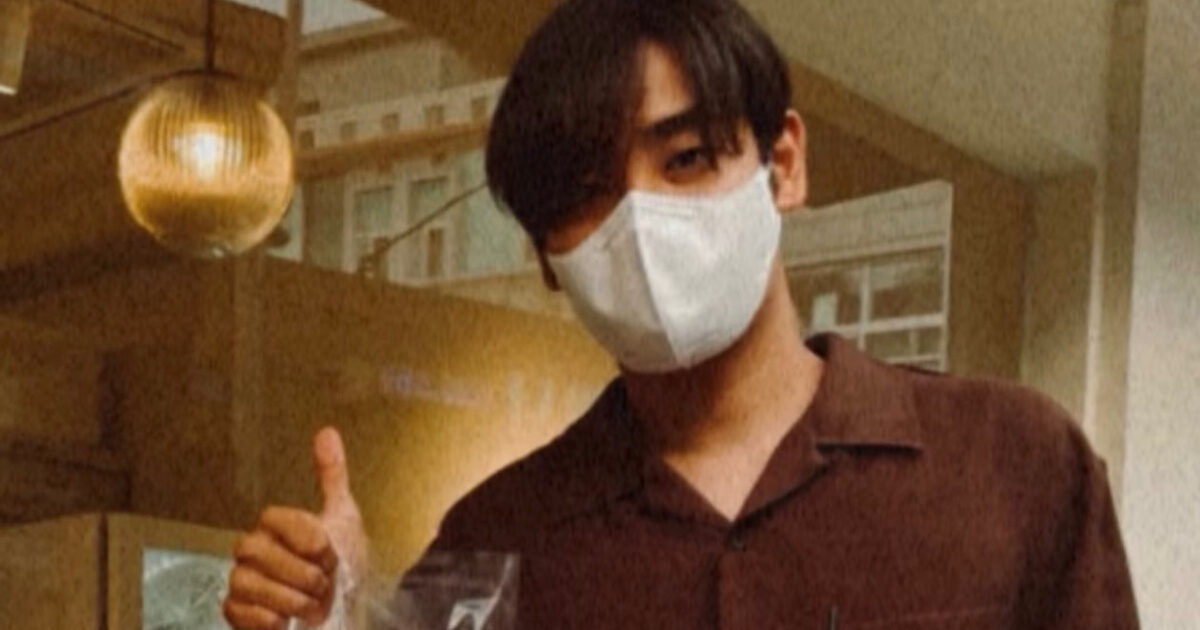
Parc Jae Jung finally explained why his music career took a sudden pause, opening up about vocal health struggles on KBS 2TV's Happy Together – Glad I'm Not Alone.
The Superstar K5 winner, known for his hit "Let's Say Goodbye," disclosed that he battled muscle tension dysphonia and vocal cord nodules—conditions that forced him to halt his activities despite the success of his releases. "I have recovered a lot now, but since I don't know when it might worsen again, I'm continuously managing it," he explained.
Making matters harder, Parc Jae Jung entered military service without receiving proper treatment for his vocal issues, compounding an already difficult period. Industry veteran Yoon Jong Shin, speaking on the same episode, acknowledged Parc Jae Jung's talent and growth as an artist, saying, "All the songs he released afterward were great," and reflected that he had "fully matured" as a performer.
Despite stepping away from the spotlight, Parc Jae Jung built an impressive resume collaborating with high-profile artists. He worked with Super Junior's Kyuhyun and Mark Lee, as well as NMIXX's Sullyoon, cementing his place in the K-pop ecosystem as a talented vocalist and collaborator.
His candid conversation resonated with fans who had wondered about his absence from the music scene. Vocal health issues like muscle tension dysphonia—where muscles around the larynx tense involuntarily—can be particularly challenging for singers, as they affect breath control and tone production. Many were relieved to learn he's focused on recovery and ongoing management rather than a permanent retirement.
Parc Jae Jung's openness about his health struggles adds to a growing conversation in K-pop about artist wellness and the physical toll of the industry. His story serves as a reminder that behind every hiatus, there's often a personal reason that extends beyond career choices.