
How Ghost in the Shell Predicted Our Future
Anime News Network explores how Masamune Shirow's Ghost in the Shell foresaw real-world technology, examining which sci-fi concepts from the series are becoming reality.
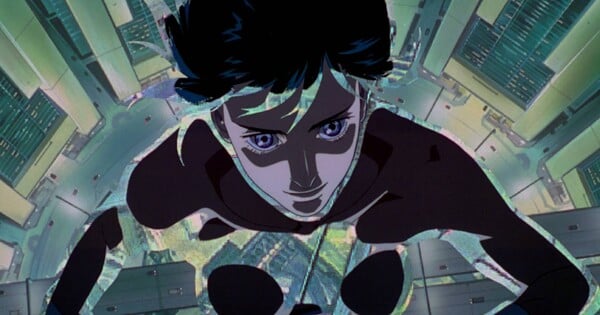
Masamune Shirow's Ghost in the Shell premiered in 1989 as a cyberpunk thriller about a government task force hunting terrorists in a near-future Japan. Over three decades later, the manga and anime have become a playground for asking one pressing question: how much of this fictional tech actually exists today?
Anime News Network recently took that question seriously, with Kevin Cormack examining how prescient Shirow's vision has become. The series imagined a world of advanced prosthetics, surveillance networks, and artificial intelligence integrated into daily life—concepts that felt like pure fantasy in the late '80s but now drive real research and development worldwide.
The franchise explored cybernetic enhancement before it became a serious biotech pursuit. Its depiction of networked consciousness and digital infiltration anticipated concerns about cybersecurity and data privacy that dominate headlines today. Even the visual language of the series—sleek interface design, holographic displays, and augmented reality overlays—influenced how modern tech companies imagine human-computer interaction.
What makes Ghost in the Shell particularly relevant is its nuanced treatment of these technologies. Rather than simple utopian or dystopian framings, Shirow presented a complicated world where progress creates new ethical problems faster than solutions arrive. The series questioned what happens to identity when consciousness can be copied, backed up, or transferred—questions AI researchers and ethicists are actively grappling with now.
The enduring appeal of Ghost in the Shell isn't just that it got certain predictions right. It's that the series treated technology as something that shapes society in unexpected ways, creating new power structures and vulnerabilities even as it solves old problems. In 2026, as neural interfaces move from science fiction to clinical trials and AI becomes embedded in infrastructure, those themes feel increasingly urgent.
Cormack's analysis arrives at a moment when Ghost in the Shell remains as influential as ever, spawning multiple anime adaptations, films, and manga spinoffs—all circling back to ask the same fundamental question: when does science fiction become our daily reality?