
CUTIE STREET's Korean Breakthrough Shows Why Japanese Idols Need Global Platforms
CUTIE STREET's viral success in Korea via M Countdown sparked a strategic partnership between Weverse Japan and Asobi System. The group's rapid expansion demonstrates how artist-fan platforms are essential for Japanese acts going global.
CUTIE STREET's unexpected Korean breakthrough this year has become a case study in how Japanese idol groups can successfully expand internationally—and it all hinges on the right digital infrastructure.
The group appeared on Mnet's M Countdown in March, and fan-shot clips circulated widely on Korean social media, generating unexpected buzz. This wasn't random luck. Weverse Japan, the Japanese division of the artist-fan platform Weverse, orchestrated the booking and handled promotional strategy from there.
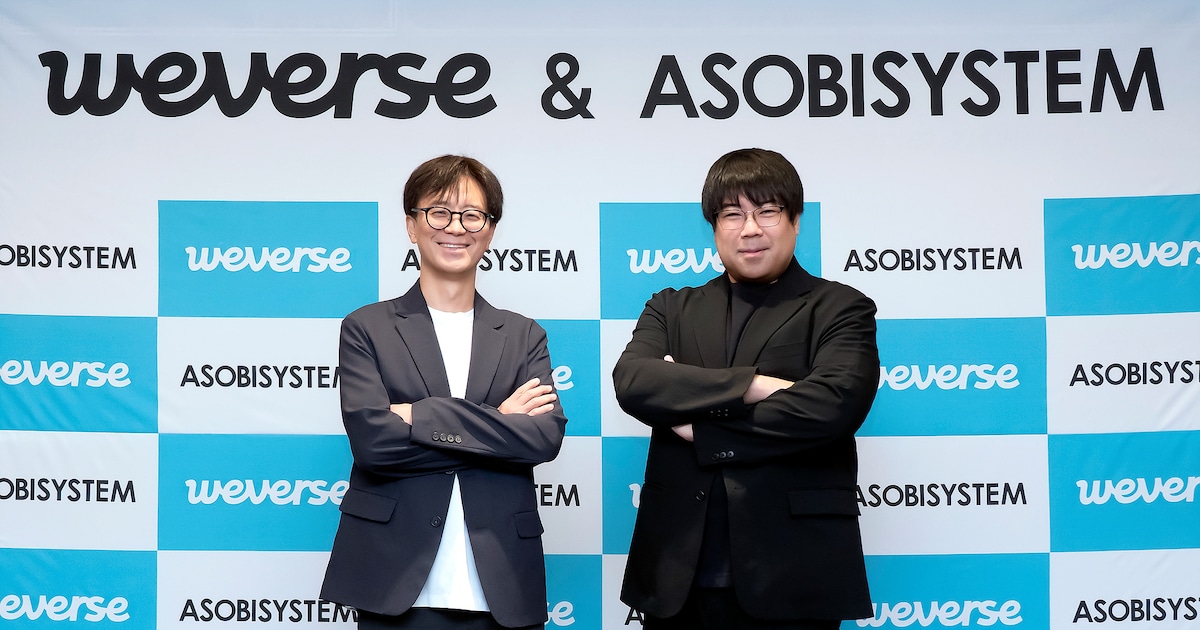
At a press conference during Seoul's Weverse Con Festival on June 7, Asobi System CEO Nakagawa Yusuke explained how the partnership changed their approach. Previously, Japanese acts would visit Korea, perform a concert, and leave. Now, Weverse Japan consults on every step—from TV appearance strategy to real-time fan feedback analysis to translation support.
When M Countdown's response proved positive, Asobi System fast-tracked a Korean-language version of CUTIE STREET's "Is It Okay to Be Just Cute?" The team debated whether to make the music video K-pop styled or keep its Japanese identity. They chose authenticity: maintain the original's kawaii aesthetic since that's what resonated with Korean audiences in the first place. That gamble paid off—the group's July live venue will be 3-4 times larger than their March capacity.
Weverse Japan President Moon Ji-soo highlighted how the platform provides management with actionable fan data through Weverse Insights, informing release decisions and promotional timing. "CUTIE STREET proves Japanese artists can use Weverse as a gateway to go global," Moon said.
Nakagawa also noted a crucial cultural difference: Japanese rights holders typically focus on protecting music rights, while Korean fans actively create and share content, driving organic promotion. That enthusiasm expanded CUTIE STREET's reach beyond Korea—unexpected engagement arrived from India and elsewhere.
For Japanese idol groups eyeing international growth, CUTIE STREET's path shows the formula: maintain cultural identity, leverage fan communities for real-time insights, and partner with platforms designed to connect artists across borders. The days of simply touring overseas are over.